
How to Style Traditional Outfits in a Modern Way: 2026 Guide
Knowing how to style traditional outfits can help you create an elegant and comfortable look for weddings, festivals, cultural events, religious ceremonies, work, and everyday occasions. These traditional dress wearing tips depend on the occasion, fabric, color, fit, accessories, footwear, and personal style.
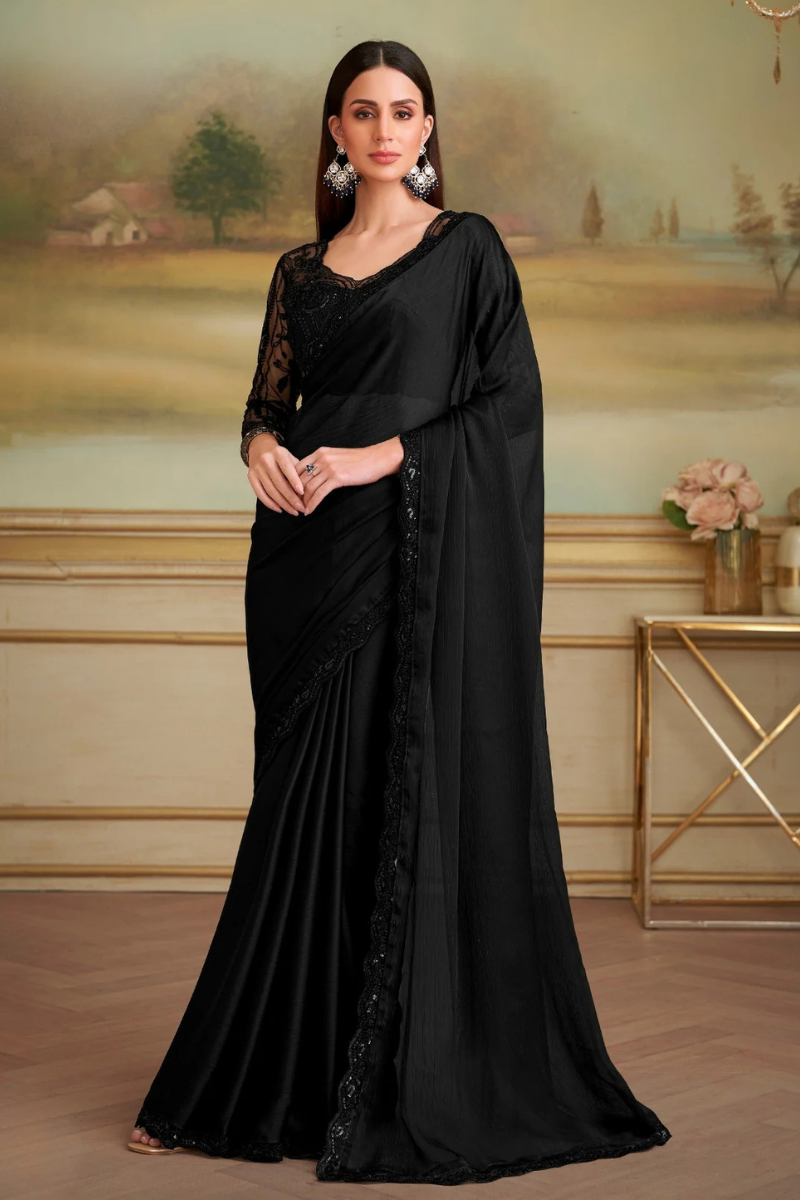
From a saree or lehenga to a salwar suit, Anarkali, sherwani, dhoti, or regional Indian attire, thoughtful styling can make traditional wear look polished while preserving its cultural character — and once you understand a few core principles, styling traditional outfits becomes second nature.
Traditional Dress Wearing Tips at a Glance
| Occasion | Traditional Wear | Suitable Fabrics | Styling Approach |
|---|---|---|---|
| Wedding | Saree, lehenga, Anarkali, sherwani, achkan | Silk, Banarasi silk, brocade, velvet | Elegant, festive, embellished |
| Festival | Saree, salwar suit, lehenga, regional wear | Cotton, silk, Chanderi, handloom | Colorful and comfortable |
| Religious ceremony | Saree, salwar suit, dhoti, veshti | Cotton, lightweight silk | Modest and breathable |
| Work | Handloom saree, simple ethnic outfits | Cotton, linen, handloom | Minimal and polished |
| Casual gathering | Saree, salwar suit, regional wear | Cotton, linen, Chanderi | Relaxed and versatile |
| Cultural event | Regional traditional clothing | Handloom, silk, traditional textiles | Heritage-focused |
What Are the Best Traditional Dress Wearing Tips?
If you’re wondering how to style traditional outfits well, the most useful traditional dress wearing tips are to choose the outfit according to the occasion, select a suitable fabric, coordinate colors, focus on fit, balance accessories, and prioritize comfort.
A simple styling formula is:
Right garment + suitable fabric + coordinated colors + balanced accessories + comfortable footwear = polished traditional wear
1. How to Style Traditional Outfits According to the Occasion
The occasion determines how formal, detailed, or understated your traditional clothing should be.
Traditional Wear for Weddings
Weddings are ideal for rich fabrics, detailed craftsmanship, and festive styling. Popular choices include:
- Sarees
- Lehenga cholis
- Anarkalis
- Embroidered salwar suits
- Sherwanis
- Achkans
- Bandhgalas
Banarasi silk, brocade, silk, velvet, zari, and detailed embroidery can create a luxurious wedding look.
For a heavily embellished outfit, keep the jewelry and accessories balanced rather than adding multiple statement pieces.
Traditional Wear for Festivals
Festivals are a good opportunity to combine color, cultural identity, and comfort.
Sarees, lehengas, salwar suits, Anarkalis, kurta-pajama, and regional traditional garments can all work well.
Bright shades such as red, yellow, orange, pink, green, and royal blue can create a festive appearance.
Traditional Wear for Religious and Cultural Events
Religious ceremonies call for clothing that is comfortable, respectful, and appropriate to the cultural setting.
Depending on the region and tradition, suitable choices may include:
- Cotton sarees
- Lightweight silk sarees
- Salwar suits
- Dhotis
- Veshtis
- Regional traditional clothing
Breathable fabrics are especially useful for long ceremonies and warm environments.
Traditional Wear for Work and Formal Events
Traditional clothing can also work in professional settings. Choose:
- Handloom sarees
- Cotton sarees
- Simple ethnic ensembles
- Minimal embroidered clothing
- Tailored traditional jackets
Subtle prints, neutral colors, clean silhouettes, and minimal accessories generally create a more professional appearance.
2. Select the Right Fabric for Traditional Clothing
Fabric affects the comfort, drape, texture, appearance, and formality of an outfit — and it’s one of the first decisions in how to style traditional outfits for any occasion.
| Fabric | Key Characteristic | Best For |
|---|---|---|
| Cotton | Breathable and lightweight | Everyday wear, summer, casual events |
| Linen | Light and airy | Warm weather, contemporary ethnic styling |
| Silk | Rich and elegant | Weddings, festivals, formal occasions |
| Banarasi silk | Decorative woven texture | Weddings and festive wear |
| Kanjeevaram silk | Rich traditional weave | Ceremonial and wedding wear |
| Chanderi | Lightweight and graceful | Daytime and semi-formal events |
| Tussar silk | Textured and natural appearance | Festive and elegant occasions |
| Khadi | Handwoven and breathable | Casual and contemporary traditional wear |
| Brocade | Rich and ornate | Formal celebrations and weddings |
The right fabric should suit both the occasion and the season.
3. Choose Traditional Outfit Colors Carefully
Color can change the entire appearance of traditional wear.
Festive Color Combinations
- Red and gold
- Green and gold
- Pink and red
- Royal blue and gold
- Maroon and beige
- Orange and pink
Contemporary Color Combinations
For a modern ethnic look, consider:
- Ivory and gold
- Black and cream
- Navy and silver
- Beige and maroon
- Pastel pink and ivory
- Olive and beige
Color choice can also depend on regional traditions, cultural significance, time of day, season, and personal preference.
4. Focus on Fit and Silhouette
One of the most important traditional dress wearing tips is to get the fit right. A well-fitted garment should allow comfortable movement while creating a balanced silhouette.
Pay attention to:
- Shoulder fit
- Sleeve length
- Garment length
- Waist placement
- Trouser fit
- Jacket structure
- Saree blouse fit
- Overall proportions
Even a simple handloom outfit can look sophisticated when it is properly tailored.
5. Style the Draping and Layering
Draping is an important part of traditional fashion. A saree, dupatta, stole, or turban can change the overall silhouette depending on how it is worn.
Saree Styling
Keep pleats neat and secure, and choose a drape that works with the fabric and occasion.
Dupatta Styling
A dupatta can be:
- Draped over one shoulder
- Styled across the front
- Pleated neatly
- Draped over both shoulders
For heavily embellished clothing, a simple drape helps maintain balance.
Layering Traditional Wear
Jackets, stoles, shawls, and structured layers can add depth to an ethnic outfit. A Nehru jacket, embroidered jacket, or traditional stole can also introduce a contemporary element without removing the cultural character of the outfit.
6. Choose the Right Traditional Accessories
Accessories should complement the garment rather than compete with it.
Traditional Jewelry
Common options include:
- Jhumkas
- Kundan jewelry
- Polki jewelry
- Bangles
- Necklaces
- Maang tikka
- Nath
- Anklets
A useful styling rule is: heavy outfit → simple accessories, simple outfit → statement accessories.
Traditional Footwear
Popular choices include:
- Juttis
- Mojaris
- Kolhapuri sandals
- Traditional sandals
Modern heels, loafers, or minimalist footwear can also be used for contemporary ethnic styling where appropriate.
7. Use Traditional Textiles and Craftsmanship as a Focal Point
Traditional wear is closely connected to textiles, weaving, embroidery, prints, and regional craftsmanship. Some well-known examples include:
- Banarasi
- Kanjeevaram
- Chanderi
- Ikat
- Kalamkari
- Ajrakh
- Bandhani
- Phulkari
- Sambalpuri textiles
- Tussar silk
- Khadi
- Handloom cotton
These textiles can become the main visual element of an outfit. A richly woven saree, for example, often needs little additional decoration. Minimal jewelry can allow the motifs, weave, and craftsmanship to stand out.
8. How to Style Traditional Outfits with a Modern Touch
Modern ethnic styling combines traditional garments or textiles with contemporary fashion elements. Try:
- A structured blouse with a saree
- A tailored jacket with ethnic clothing
- Minimalist jewelry
- Contemporary footwear
- A structured handbag
- Monochromatic styling
- Clean dupatta draping
- Modern tailoring
The idea is to update the styling without losing the identity of the traditional garment. For example: traditional saree + contemporary blouse + statement earrings creates a modern ethnic look while keeping the saree as the focal point.
9. How to Style Traditional Outfits According to the Season
Season should influence both fabric and layering.
Summer: Choose cotton, linen, lightweight silk, Chanderi, and breathable handloom textiles.
Winter: Silk, velvet, brocade, shawls, stoles, and layered ethnic jackets can provide warmth while maintaining a traditional appearance.
Monsoon: Choose practical, lightweight fabrics and outfits that are easier to maintain in humid or wet conditions.
10. Avoid Common Mistakes When You Style Traditional Outfits
Over-Accessorizing: Too many statement pieces can make the outfit look crowded.
Ignoring the Occasion: Always consider the event’s formality, venue, and cultural context.
Poor Fit: Even expensive traditional clothing can look less polished when the proportions are wrong.
Choosing the Wrong Fabric: Heavy fabrics can become uncomfortable during hot weather or outdoor events.
Mixing Too Many Colors: A coordinated palette usually creates a cleaner and more elegant appearance.
Prioritizing Appearance Over Comfort: Traditional events can last for hours, so your outfit should allow comfortable movement.
How to Style Traditional Outfits for a Modern Look
For a contemporary ethnic look, keep the traditional garment as the foundation and modernize one or two elements.
A simple formula is: traditional garment + contemporary styling + minimal accessories
Examples include:
- Silk saree + modern blouse + minimalist jewelry
- Handloom saree + structured handbag + contemporary footwear
- Lehenga + simplified dupatta + statement earrings
- Kurta set + tailored jacket + modern footwear
The result is an outfit that feels current while retaining its traditional identity.
Frequently Asked Questions
How do I choose traditional wear for an occasion? Consider the formality, venue, season, cultural setting, and expected dress style. Choose lighter fabrics and simpler designs for casual or daytime events and richer fabrics or embellishment for formal celebrations.
How can I make traditional clothing look elegant? Focus on good fit, coordinated colors, quality fabric, balanced accessories, and suitable footwear. One strong statement element is often more effective than excessive decoration.
How can I style traditional outfits for a modern look? Use contemporary tailoring, minimalist accessories, modern footwear, structured layers, or a simple color palette while keeping the traditional garment or textile as the foundation.
What accessories go best with traditional wear? Jhumkas, Kundan, Polki, bangles, necklaces, maang tikka, traditional footwear, clutches, potli bags, and stoles can complement ethnic outfits. The choice depends on the occasion and the level of outfit embellishment.
Which fabric is best for traditional wear? There is no single best fabric. Cotton and linen are practical for warm weather, while silk, Banarasi silk, Kanjeevaram silk, brocade, and other richer textiles are better suited to formal and festive occasions.
What makes traditional wear culturally meaningful? Traditional wear reflects regional identity, heritage, craftsmanship, textiles, motifs, customs, and history. Understanding the garment’s origin and cultural context can help you wear and style it more thoughtfully.
Final Thoughts
If you remember nothing else about how to style traditional outfits, remember this: choose the right garment, match it to the occasion, select the appropriate fabric and colors, focus on fit, and balance your accessories.
Traditional wear does not need excessive embellishment to look impressive. A well-fitted outfit, thoughtful styling, and one distinctive element can create an elegant ethnic look while preserving the beauty and cultural character of traditional clothing.