
Choosing the right chikankari kurta set for women can help you create an elegant, comfortable look for weddings, festivals, everyday wear, office days, and special occasions. The right choice depends on the fabric, embroidery style, color, fit, occasion, and how you plan to style it — and once you understand a few core principles, buying (and styling) a chikankari kurta set for women becomes much easier.
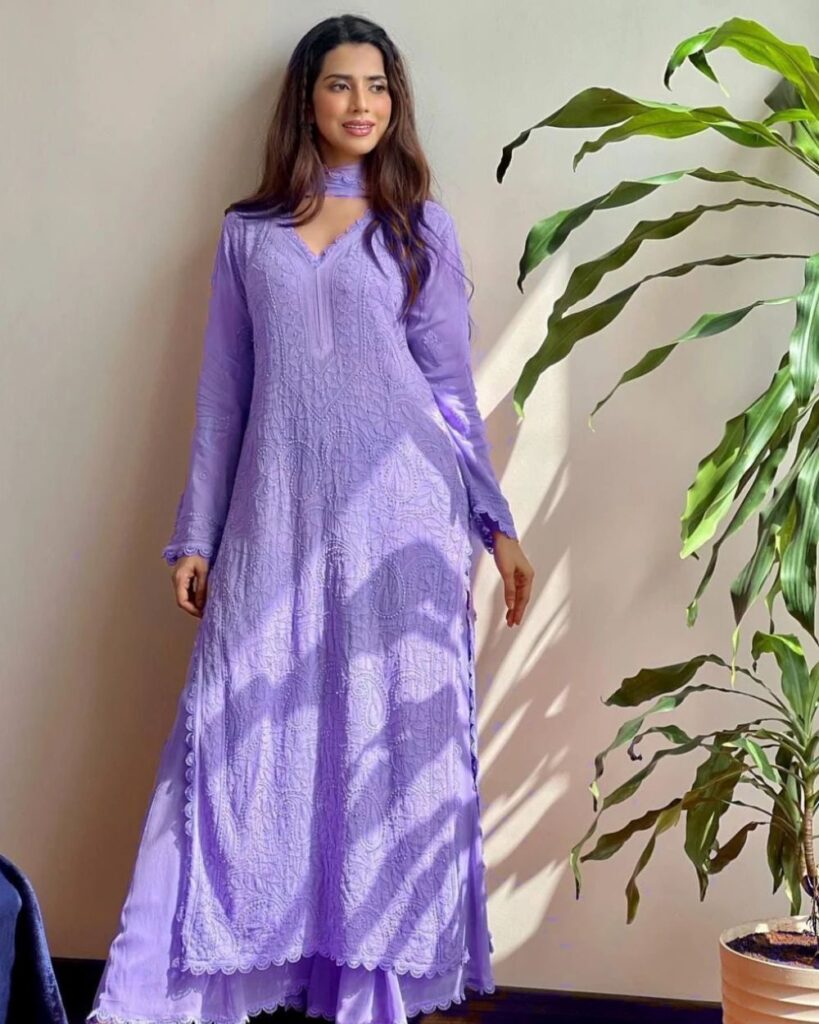
From a simple cotton kurta set for daily wear to an elaborately embroidered georgette set for a wedding, a thoughtful choice can make this timeless craft look polished for any setting while preserving its heritage. [Explore our chikankari kurta for women collection] to see the full range before diving in.
Chikankari Kurta Set Buying Guide at a Glance
| Occasion | Recommended Style | Suitable Fabric | Styling Approach |
|---|---|---|---|
| Wedding / Festive | Anarkali-style set, heavily embroidered set | Georgette, silk-blend, chiffon | Rich, embellished, statement jewelry |
| Office / Work | Straight-cut kurta with pants | Cotton, cotton-blend | Minimal embroidery, neutral tones |
| Casual / Everyday | Short kurta with palazzo or pants | Cotton, rayon | Comfortable, breathable, easy-care |
| Eid / Religious occasions | Traditional Lucknowi set | Cotton, mulmul, soft georgette | Modest, breathable, elegant |
| Evening / Party wear | Fusion co-ord set | Georgette, silk-blend | Statement earrings, minimal draping |
What Should You Look for in a Chikankari Kurta Set for Women?
If you’re wondering how to choose the right chikankari kurta set for women, the most useful buying tips are to pick the set according to the occasion, check the fabric quality, verify the embroidery is genuine hand-work, confirm the fit and size, coordinate the color with your skin tone and event, and prioritize comfort over pure embellishment.
A simple buying formula is:
Right occasion + quality fabric + authentic embroidery + correct fit + coordinated color = a chikankari kurta set that lasts
1. Choose the Right Chikankari Kurta Set for Women Based on Occasion
The occasion decides how detailed, formal, or minimal your chikankari kurta set for women should be.
Chikankari Sets for Weddings and Festive Events
Weddings and festive occasions call for richer fabrics and more detailed embroidery. Popular choices include:
- Anarkali-style chikankari kurta sets
- Heavily embroidered georgette sets
- Chikankari sets with mirror work or gota detailing
- Layered sets with a dupatta
Georgette, silk-blends, and chiffon with dense shadow-work or mukaish embellishment create a festive, elevated look. Keep jewelry balanced — one statement piece (like jhumkas or a maang tikka) is usually enough when the embroidery itself is elaborate.
Chikankari Sets for Everyday and Office Wear
For daily wear or the office, simplicity works best:
- Straight-cut cotton kurta with pants
- Minimal buti or booti embroidery
- Neutral or pastel tones
Cotton and cotton-blend fabrics with lighter embroidery are breathable and easy to maintain through a full workday.
Chikankari Sets for Eid and Religious Occasions
Religious occasions call for clothing that is comfortable, breathable, and modest:
- Traditional Lucknowi chikankari sets
- Cotton or mulmul fabric
- Full-sleeve or 3/4-sleeve styles
Chikankari Sets for Evening and Party Wear
For evening events, fusion co-ord sets — a chikankari kurta paired with pants or a skirt instead of a traditional dupatta set — offer a more contemporary silhouette while keeping the embroidery as the focal point.
2. Select the Right Fabric
Fabric affects the comfort, drape, texture, and formality of a chikankari kurta set — and it’s one of the first things to check before buying.
| Fabric | Key Characteristic | Best For |
|---|---|---|
| Cotton | Breathable and lightweight | Everyday wear, summer, office |
| Mulmul cotton | Extra soft, fine weave | Eid, religious occasions, gifting |
| Georgette | Flowy and lightweight | Festive wear, evening events |
| Chiffon | Sheer and delicate | Party wear, layered dupattas |
| Rayon | Soft drape, easy-care | Casual daily wear |
| Silk-blend | Rich texture with structure | Weddings, formal celebrations |
Cotton and mulmul are the most practical for regular wear, while georgette and silk-blends suit festive or evening occasions better.
3. Check the Embroidery Quality on the Chikankari Kurta Set for Women
Genuine chikankari is hand-embroidered, and this is where quality varies most between sets.
Signs of authentic hand-embroidered chikankari:
- Slight, natural irregularities in stitch spacing (machine work looks too uniform)
- Visible shadow-work on the reverse side of the fabric
- A soft, slightly raised texture you can feel when you run a finger over the motif
- Motifs like buti (small florals), bel (vine borders), jaali (lattice), and kairi (paisley)
If a set is priced unusually low for “hand-embroidered chikankari,” it’s worth checking whether it’s actually machine-made — both can look attractive, but they differ significantly in durability and value.
4. Choose Chikankari Kurta Set Colors Carefully
Color changes the entire appearance of a chikankari kurta set.
Festive Color Combinations
- White and gold
- Pastel pink and silver
- Peach and gold
- Sky blue and white
- Mint green and cream
Everyday and Office-Friendly Colors
- White
- Pastel pink
- Beige
- Light blue
- Soft grey
White and pastel shades remain the most searched and most versatile chikankari colors, since they let the thread-work and shadow-stitching stand out rather than competing with a bold base color.
5. Focus on Fit and Silhouette
Getting the fit right matters as much as the embroidery itself. A well-fitted chikankari kurta set should allow easy movement while sitting well at the shoulders and waist.
Pay attention to:
- Shoulder and sleeve fit
- Kurta length (short, knee-length, or long/Anarkali)
- Waist placement, especially for A-line or flared cuts
- Bottom style — straight pants, palazzos, or churidar
- Overall proportions between the kurta and bottom
Even a simple cotton chikankari set looks more polished when the length and fit suit your body type.
6. Style the Dupatta and Layering
If your set includes a dupatta, how you drape and pair it changes the overall look.
Dupatta Styling
A dupatta can be:
- Draped over one shoulder for a casual look
- Pleated neatly over both shoulders for formal occasions
- Styled across the front for photos or events
- Skipped entirely for a modern co-ord look
Layering Options
A denim or cotton jacket over a chikankari kurta is a popular way to dress it down for casual outings, while a structured shawl or stole works well for winter chikankari sets in velvet or wool-blend fabric.
7. Choose the Right Accessories and Footwear
Accessories should complement the embroidery rather than compete with it.
Jewelry
- Jhumkas
- Simple gold or oxidized studs
- Delicate necklaces
- Bangles
A useful rule: heavily embroidered set → simple accessories; simple/minimal set → statement jewelry.
Footwear
- Juttis or mojaris for a traditional look
- Block heels or sandals for office and evening wear
- Comfortable flats for everyday styling
8. How to Style a Chikankari Kurta Set with a Modern Touch
Modern styling combines the traditional embroidery with contemporary elements:
- A chikankari kurta with jeans instead of the matching bottom
- A tailored jacket over a chikankari set
- Minimalist jewelry
- Sneakers or loafers for a casual fusion look
- A structured handbag instead of a potli
The idea is to update the styling without losing the character of the embroidery. For example: chikankari kurta + jeans + minimal jewelry creates a modern, everyday look while keeping the craftsmanship visible.
[See how we styled a white chikankari kurta set for different occasions] for a closer look at this in practice.
9. Choose According to the Season
Summer: Cotton, mulmul, and lightweight georgette breathe well and are the most comfortable choice.
Winter: Velvet or wool-blend chikankari sets, layered with a shawl or jacket, offer warmth while keeping the embroidered detailing visible.
Monsoon: Choose easy-care fabrics like cotton or rayon that hold up well in humidity and are simple to wash.
10. Common Mistakes to Avoid When Buying a Chikankari Kurta Set
Over-Accessorizing: Too many statement pieces can compete with the embroidery instead of highlighting it.
Ignoring the Occasion: A heavily embroidered festive set may feel out of place at the office, and a plain cotton set may look too simple for a wedding.
Skipping a Fit Check: Even the finest embroidery looks less polished if the kurta doesn’t fit well.
Choosing Fabric Without Considering the Season: Georgette in peak summer or thin cotton in winter can affect comfort significantly.
Assuming All “Chikankari” Is Hand-Embroidered: Always check the embroidery closely, especially when buying online.
Frequently Asked Questions
How do I choose a chikankari kurta set for an occasion? Consider the formality, season, and setting. Choose cotton or mulmul with lighter embroidery for daytime or casual events, and georgette or silk-blend with denser embroidery for weddings or festive celebrations.
How can I tell if a chikankari kurta set is genuinely hand-embroidered? Look for slight irregularities in the stitching, visible shadow-work on the reverse of the fabric, and a subtly raised texture. Machine-made chikankari tends to look too uniform.
What is the most versatile color for a chikankari kurta set? White and pastel shades are the most versatile, since they let the embroidery stand out and work across both casual and festive settings.
Can I style a chikankari kurta set in a modern way? Yes. Pairing the kurta with jeans, a tailored jacket, minimalist jewelry, or contemporary footwear keeps the look current while preserving the embroidery’s character.
What accessories go best with a chikankari kurta set? Jhumkas, simple gold studs, delicate necklaces, and bangles work well. The right amount depends on how detailed the embroidery on the set already is.
Which fabric is best for a chikankari kurta set? There’s no single best fabric — cotton and mulmul are practical for everyday wear, while georgette and silk-blends suit festive and evening occasions better.
Final Thoughts
If you remember nothing else about buying a chikankari kurta set for women, remember this: match the set to the occasion, check the fabric and embroidery quality, get the fit right, and keep your accessories balanced.
A chikankari kurta set for women doesn’t need heavy embellishment to look elegant — a well-fitted piece with authentic hand-embroidery, thoughtful styling, and one well-chosen accessory can create a polished, timeless look while honoring the craftsmanship behind every stitch.