Urban Riwaaz

Blog

Your blog category

Chikankari Kurta Set
Blog

Chikankari Kurta Set for Women: Complete Buying Guide

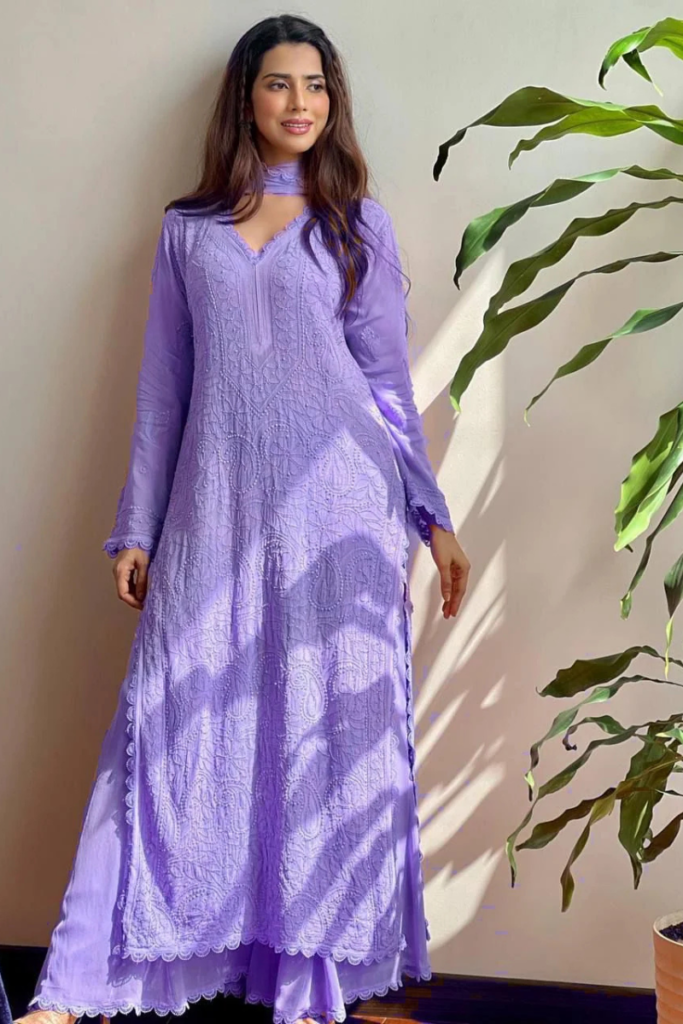
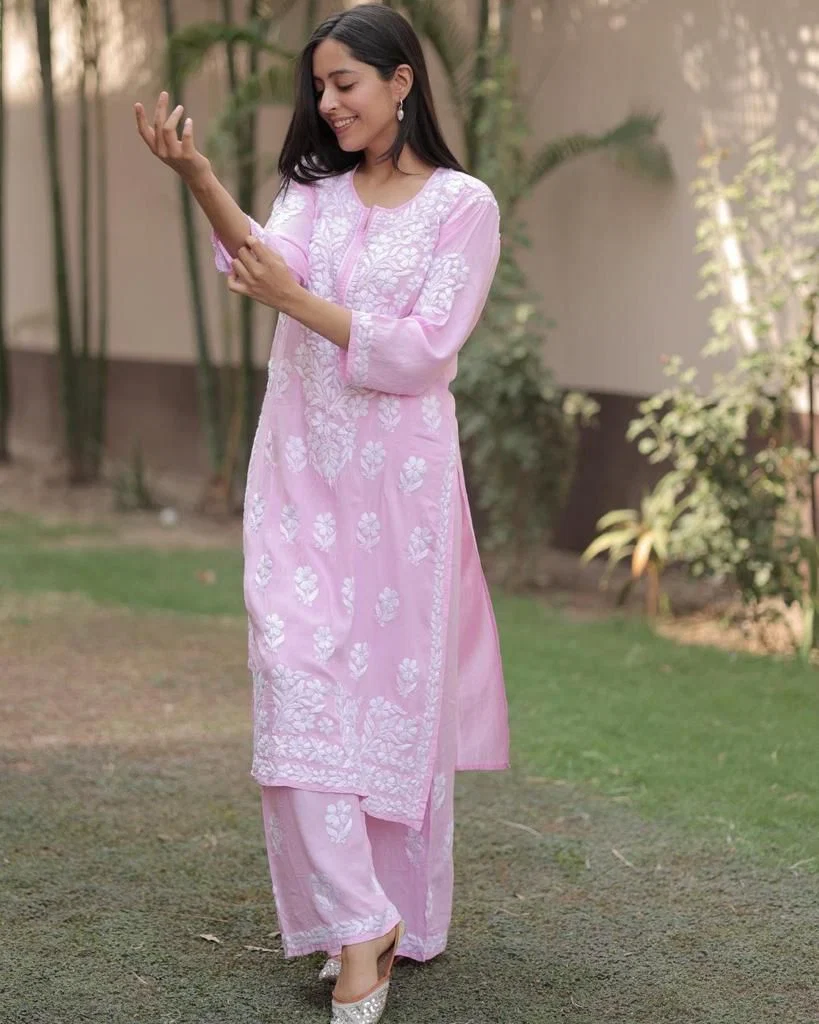
Choosing the right chikankari kurta set for women can help you create an elegant, comfortable look for weddings, festivals, everyday wear, office days, and special occasions. The right choice depends on the fabric, embroidery style, color, fit, occasion, and how you plan to style it — and once you understand a few core principles, buying (and styling) a chikankari kurta set for women becomes much easier. From a simple cotton kurta set for daily wear to an elaborately embroidered georgette set for a wedding, a thoughtful choice can make this timeless craft look polished for any setting while preserving its heritage. [Explore our chikankari kurta for women collection] to see the full range before diving in. Chikankari Kurta Set Buying Guide at a Glance Occasion Recommended Style Suitable Fabric Styling Approach Wedding / Festive Anarkali-style set, heavily embroidered set Georgette, silk-blend, chiffon Rich, embellished, statement jewelry Office / Work Straight-cut kurta with pants Cotton, cotton-blend Minimal embroidery, neutral tones Casual / Everyday Short kurta with palazzo or pants Cotton, rayon Comfortable, breathable, easy-care Eid / Religious occasions Traditional Lucknowi set Cotton, mulmul, soft georgette Modest, breathable, elegant Evening / Party wear Fusion co-ord set Georgette, silk-blend Statement earrings, minimal draping What Should You Look for in a Chikankari Kurta Set for Women? If you’re wondering how to choose the right chikankari kurta set for women, the most useful buying tips are to pick the set according to the occasion, check the fabric quality, verify the embroidery is genuine hand-work, confirm the fit and size, coordinate the color with your skin tone and event, and prioritize comfort over pure embellishment. A simple buying formula is: Right occasion + quality fabric + authentic embroidery + correct fit + coordinated color = a chikankari kurta set that lasts 1. Choose the Right Chikankari Kurta Set for Women Based on Occasion The occasion decides how detailed, formal, or minimal your chikankari kurta set for women should be. Chikankari Sets for Weddings and Festive Events Weddings and festive occasions call for richer fabrics and more detailed embroidery. Popular choices include: Georgette, silk-blends, and chiffon with dense shadow-work or mukaish embellishment create a festive, elevated look. Keep jewelry balanced — one statement piece (like jhumkas or a maang tikka) is usually enough when the embroidery itself is elaborate. Chikankari Sets for Everyday and Office Wear For daily wear or the office, simplicity works best: Cotton and cotton-blend fabrics with lighter embroidery are breathable and easy to maintain through a full workday. Chikankari Sets for Eid and Religious Occasions Religious occasions call for clothing that is comfortable, breathable, and modest: Chikankari Sets for Evening and Party Wear For evening events, fusion co-ord sets — a chikankari kurta paired with pants or a skirt instead of a traditional dupatta set — offer a more contemporary silhouette while keeping the embroidery as the focal point. 2. Select the Right Fabric Fabric affects the comfort, drape, texture, and formality of a chikankari kurta set — and it’s one of the first things to check before buying. Fabric Key Characteristic Best For Cotton Breathable and lightweight Everyday wear, summer, office Mulmul cotton Extra soft, fine weave Eid, religious occasions, gifting Georgette Flowy and lightweight Festive wear, evening events Chiffon Sheer and delicate Party wear, layered dupattas Rayon Soft drape, easy-care Casual daily wear Silk-blend Rich texture with structure Weddings, formal celebrations Cotton and mulmul are the most practical for regular wear, while georgette and silk-blends suit festive or evening occasions better. 3. Check the Embroidery Quality on the Chikankari Kurta Set for Women Genuine chikankari is hand-embroidered, and this is where quality varies most between sets. Signs of authentic hand-embroidered chikankari: If a set is priced unusually low for “hand-embroidered chikankari,” it’s worth checking whether it’s actually machine-made — both can look attractive, but they differ significantly in durability and value. 4. Choose Chikankari Kurta Set Colors Carefully Color changes the entire appearance of a chikankari kurta set. Festive Color Combinations Everyday and Office-Friendly Colors White and pastel shades remain the most searched and most versatile chikankari colors, since they let the thread-work and shadow-stitching stand out rather than competing with a bold base color. 5. Focus on Fit and Silhouette Getting the fit right matters as much as the embroidery itself. A well-fitted chikankari kurta set should allow easy movement while sitting well at the shoulders and waist. Pay attention to: Even a simple cotton chikankari set looks more polished when the length and fit suit your body type. 6. Style the Dupatta and Layering If your set includes a dupatta, how you drape and pair it changes the overall look. Dupatta Styling A dupatta can be: Layering Options A denim or cotton jacket over a chikankari kurta is a popular way to dress it down for casual outings, while a structured shawl or stole works well for winter chikankari sets in velvet or wool-blend fabric. 7. Choose the Right Accessories and Footwear Accessories should complement the embroidery rather than compete with it. Jewelry A useful rule: heavily embroidered set → simple accessories; simple/minimal set → statement jewelry. Footwear 8. How to Style a Chikankari Kurta Set with a Modern Touch Modern styling combines the traditional embroidery with contemporary elements: The idea is to update the styling without losing the character of the embroidery. For example: chikankari kurta + jeans + minimal jewelry creates a modern, everyday look while keeping the craftsmanship visible. [See how we styled a white chikankari kurta set for different occasions] for a closer look at this in practice. 9. Choose According to the Season Summer: Cotton, mulmul, and lightweight georgette breathe well and are the most comfortable choice. Winter: Velvet or wool-blend chikankari sets, layered with a shawl or jacket, offer warmth while keeping the embroidered detailing visible. Monsoon: Choose easy-care fabrics like cotton or rayon that hold up well in humidity and are simple to wash. 10. Common Mistakes to Avoid When Buying a Chikankari Kurta Set Over-Accessorizing: Too many statement pieces can
white chikankari kurta styling
Blog

How to Style White Chikankari Kurta: 10 Elegant Outfit Ideas

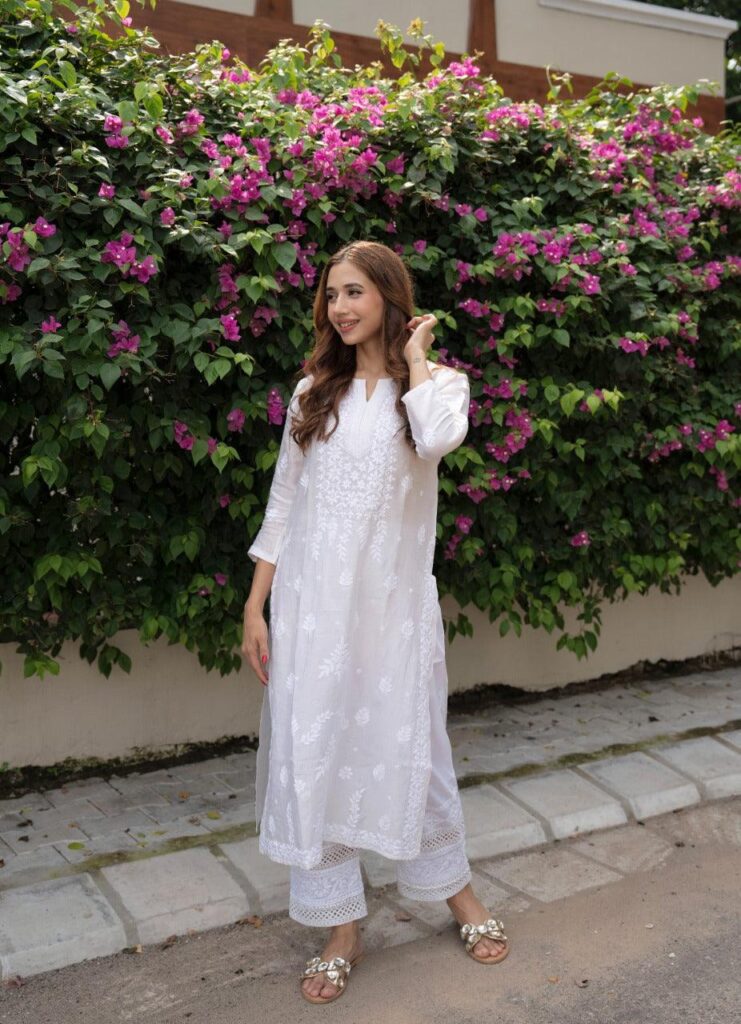
White chikankari kurta styling is all about balancing delicate embroidery with elegant colors, comfortable silhouettes, and thoughtfully chosen accessories. A white chikankari kurta can easily transition from everyday wear to office outfits, festive celebrations, brunches, and special occasions. Because white works as a neutral base, you have plenty of styling options. You can pair your kurta with palazzo pants, straight trousers, blue jeans, or colorful ethnic bottoms. Similarly, a pastel dupatta creates a soft daytime look, while statement jewelry and embroidered juttis can make the outfit more festive. If you are looking for elegant white chikankari kurta styling ideas, these 10 outfits will help you create versatile looks for almost every occasion.Want to explore more Chikankari styles? Check out our guide to the [10 Types of Chikankari Kurtis Every Woman Should Have in Her Wardrobe]. 1. White Chikankari Kurta with White Palazzo Pants For classic white chikankari kurta styling, try a monochrome outfit with matching white palazzo pants. The all-white combination keeps the look sophisticated while allowing the intricate embroidery to remain the focal point. Add silver jhumkas, embroidered juttis, and a small clutch for a traditional appearance. Alternatively, pearl earrings and metallic sandals can give the same outfit a modern touch. Best for: Festive gatherings, family functions, brunches, and daytime celebrations. Style tip: When your kurta has heavy embroidery, choose simple palazzo pants to maintain visual balance. 2. White Chikankari Kurta with a Pastel Dupatta A pastel dupatta is one of the easiest ways to add color to your white chikankari outfit. Soft shades such as blush pink, powder blue, mint green, lavender, peach, and sage work particularly well. For a polished finish, add pearl studs and neutral sandals. Meanwhile, a lightweight dupatta keeps the outfit comfortable during warmer months. This white chikankari kurta styling idea is especially suitable when you want a feminine and understated appearance. Best for: Brunches, summer events, daytime celebrations, and casual festivities. 3. White Chikankari Kurta with Straight Pants For office-friendly white chikankari kurta styling, pair the kurta with straight-fit trousers or cigarette pants. White, cream, beige, ivory, and subtle pastel shades can all create a sophisticated combination. Keep the accessories minimal with pearl studs, a simple watch, and comfortable flats. A structured handbag can further enhance the professional appearance. Best for: Office wear, meetings, lunches, work events, and smart-casual occasions. Why it works: Straight trousers give the traditional embroidered kurta a clean and contemporary silhouette. 4. White Chikankari Kurta with Colorful Palazzo Pants If you prefer a more vibrant ethnic look, colorful palazzo pants can transform a simple white kurta. Consider emerald green, teal, mustard, royal blue, wine, or rust. These shades create a striking contrast against white while keeping the embroidery visible. However, let the palazzos remain the main statement. Simple earrings and neutral footwear are enough to complete the outfit. Best for: Festivals, cultural events, family celebrations, and daytime parties. Style tip: Repeat one color from your trousers in your earrings or handbag for a coordinated appearance. 5. White Chikankari Kurta with Blue Jeans For an easy Indo-Western outfit, style your white chikankari kurta with blue jeans. Straight-leg and relaxed-fit jeans work particularly well with shorter or straight-cut kurtas. Add kolhapuri sandals, oxidized earrings, and a structured handbag. As a result, the outfit feels contemporary while retaining the charm of traditional chikankari embroidery. This is one of the most practical white chikankari kurta styling options for everyday wardrobes. Best for: Casual outings, college wear, shopping, travel, and weekend brunches. 6. White Chikankari Kurta with a Chanderi Dupatta For festive white chikankari kurta styling, layer your outfit with a beautiful Chanderi dupatta. Choose pastel, ivory, muted gold, or jewel-toned shades according to the occasion. Statement chandbalis, embellished juttis, and a small potli bag can elevate the outfit further. Nevertheless, avoid adding too many accessories if your kurta already features dense embroidery. Best for: Festivals, pujas, intimate weddings, family functions, and traditional celebrations. Style tip: Keep either the dupatta or the jewelry more understated so that the overall outfit does not look too busy. 7. White Chikankari Anarkali with Statement Jewelry A white chikankari Anarkali creates an elegant silhouette without requiring excessive styling. The flowing shape naturally adds movement to the outfit. Choose chandbalis, jhumkas, or another statement earring style. Then complete the look with traditional juttis and a small potli. For evening occasions, metallic accessories can add glamour. During the day, however, pearl or silver jewelry creates a softer appearance. Best for: Weddings, Eid celebrations, festive occasions, family functions, and evening gatherings. 8. White Chikankari Kurta with Beige Bottoms White and beige make an excellent combination for minimalist white chikankari kurta styling. Pair your kurta with beige, taupe, cream, or sand-colored trousers for a refined neutral outfit. Tan sandals and a neutral handbag complement the palette naturally. Delicate gold jewelry can then add warmth without competing with the embroidery. This look works particularly well if you prefer subtle ethnic fashion instead of bright colors. Best for: Office wear, lunches, travel, casual celebrations, and daytime events. Style tip: Add texture through a woven handbag, textured footwear, or a lightweight dupatta to prevent the neutral palette from looking flat. 9. White Chikankari Kurta with Colorful Juttis You do not always need colorful clothing to make a white chikankari outfit interesting. Instead, let your footwear provide the statement. Choose embroidered juttis in pink, green, blue, mustard, or multicolored patterns. A small accessory in a similar shade can tie the look together. For a simple yet stylish white chikankari kurta styling idea, keep your bottoms neutral and allow the footwear to add personality. Best for: Casual gatherings, festive lunches, everyday ethnic wear, and family outings. 10. All-White Chikankari Outfit with Silver Jewelry For a timeless appearance, create an all-white chikankari ensemble. Pair your kurta with white trousers or palazzos and finish with a white, ivory, or sheer dupatta. Silver jhumkas, bangles, metallic sandals, and a small clutch can add subtle festive detail. Meanwhile, the monochromatic palette allows the embroidery and fabric texture to stand out.

10 Types of Chikankari Kurtis Every Woman Should Have in Her Wardrobe
Blog

10 Types of Chikankari Kurtis Every Woman Should Have in Her Wardrobe

Chikankari has always held a special place in Indian fashion. Known for its delicate hand embroidery, intricate patterns and timeless elegance, this traditional craft from Lucknow has beautifully evolved with contemporary fashion. Today, a Chikankari kurti is no longer reserved only for festive occasions—it has become an everyday wardrobe essential. From breezy cotton styles for summer days to elegant georgette pieces for celebrations, there is a Chikankari kurti for almost every occasion. Whether you prefer minimal outfits or love making a statement with ethnic wear, these versatile kurtis can effortlessly elevate your look. Here are 10 types of Chikankari kurtis every woman should consider adding to her wardrobe. 1. Classic White Chikankari Kurti A white Chikankari kurti is perhaps the most timeless piece you can own. Elegant, versatile and effortlessly stylish, it works beautifully for casual outings, office wear and festive occasions alike. Pair it with straight-fit pants and juttis for a traditional look, or style it with blue jeans and kolhapuris for a more contemporary vibe. A classic white Chikankari kurti is one piece that will never go out of fashion. Best for: Everyday wear, brunches, office wear and casual outings. 2. Cotton Chikankari Kurti Nothing feels more comfortable during warm weather than a lightweight cotton Chikankari kurti. Breathable, soft and easy to style, it is perfect for everyday wear. Cotton kurtis often feature subtle embroidery and relaxed silhouettes, making them ideal for college, work or running errands. Choose pastel shades such as powder blue, pink, mint green or lavender for a fresh and effortless summer look. Best for: Daily wear, college and summer outings. 3. Straight-Cut Chikankari Kurti A straight-cut Chikankari kurti is a wardrobe staple for women who prefer clean and elegant silhouettes. Its structured yet comfortable fit makes it suitable for multiple occasions. You can pair it with cigarette pants, palazzos or even jeans depending on the occasion. Add statement earrings and a pair of juttis to instantly dress up the look. Best for: Office wear, casual gatherings and semi-formal occasions. 4. Anarkali Chikankari Kurti For days when you want something more graceful and festive, an Anarkali Chikankari kurti is the perfect choice. The flowy silhouette adds movement and elegance while the intricate embroidery gives the outfit a rich traditional appeal. Opt for soft pastels for daytime events or deeper hues for festive celebrations. Pair it with chandbalis and embellished footwear to complete the look. Best for: Festive occasions, family functions and celebrations. 5. Short Chikankari Kurti A short Chikankari kurti is perfect for creating a modern Indo-Western look. It offers plenty of styling possibilities and can easily be paired with jeans, trousers, skirts or palazzos. For a relaxed yet stylish outfit, pair a pastel short kurti with straight-fit denim and minimal accessories. It is comfortable, youthful and ideal for women who enjoy experimenting with traditional fashion. Best for: College, casual outings and everyday styling. 6. Long Chikankari Kurti A long Chikankari kurti brings effortless elegance to any wardrobe. Whether it features a straight silhouette or a slightly flared design, it creates a graceful and sophisticated look. You can wear it with matching bottoms for a coordinated ethnic outfit or style it with contrasting palazzos. Long kurtis in subtle colours are especially versatile and can transition easily from daytime events to evening gatherings. Best for: Festive occasions, dinners and elegant daytime events. 7. Georgette Chikankari Kurti If you’re looking for something more dressy, a georgette Chikankari kurti is a great option. The lightweight and flowy fabric adds an elevated feel to traditional embroidery. These kurtis often feature detailed threadwork and embellishments, making them suitable for occasions where you want to make a statement without wearing something overly heavy. Pair your georgette Chikankari kurti with statement jewellery and embellished heels for a refined festive look. Best for: Parties, festive occasions and celebrations. 8. Chikankari Kurti with Palazzo Pants While technically a styling combination, a Chikankari kurti paired with palazzo pants deserves a place in every ethnic wardrobe. The relaxed silhouette offers both comfort and elegance. Choose a straight or slightly flared kurti and pair it with matching or contrasting palazzos. This combination works particularly well for long days when you want to look stylish without compromising on comfort. Best for: Workwear, casual events and festive gatherings. 9. Pastel Chikankari Kurti Pastel Chikankari kurtis have become increasingly popular for their soft, elegant and contemporary appeal. Shades such as blush pink, lilac, powder blue, peach and mint green beautifully complement the delicate embroidery. These colours are easy to style and work especially well for daytime occasions. Keep the accessories minimal and let the embroidery take centre stage. Best for: Brunches, daytime events and summer occasions. 10. Chikankari Kurti with Contemporary Details Traditional Chikankari has evolved beautifully with modern fashion. Today, you can find kurtis featuring contemporary cuts, asymmetrical hemlines, statement sleeves, collars and fusion silhouettes. These styles are perfect for women who love traditional craftsmanship but prefer a more modern aesthetic. Pair them with trousers, denims or contemporary jewellery to create a unique Indo-Western look. Best for: Casual parties, social events and contemporary ethnic styling. How to Choose the Right Chikankari Kurti With so many styles available, choosing the right Chikankari kurti depends on the occasion, fabric and silhouette. Here are a few things to keep in mind: Styling Tips for Chikankari Kurtis One of the biggest reasons behind the popularity of Chikankari kurtis is their versatility. A single kurti can be styled in several different ways. Why Every Wardrobe Needs a Chikankari Kurti Chikankari is more than just embroidery—it represents craftsmanship, heritage and timeless fashion. A well-chosen Chikankari kurti can be styled across seasons and occasions, making it one of the most versatile pieces in an Indian wardrobe. Whether you love classic white kurtis, elegant Anarkalis or modern fusion styles, there is something about Chikankari that feels effortlessly sophisticated. Investing in different styles allows you to create multiple looks while celebrating one of India’s most beautiful traditional crafts. Final Thoughts Fashion trends may come and go, but

Top 10 Men’s Fashion Trends to Try in 2026
Blog

Top 10 Men’s Fashion Trends to Try in 2026

Men’s fashion in 2026 is all about comfort, versatility and personal style. Relaxed silhouettes, earthy colours, elevated basics and smart-casual outfits are becoming increasingly popular, giving men more ways to look stylish without feeling overdressed. Whether you are updating your wardrobe or simply looking for new outfit ideas, these top 10 men’s fashion trends to try in 2026 are easy to incorporate into your everyday style. What Are the Top Men’s Fashion Trends in 2026? The top men’s fashion trends to try in 2026 are: Let’s take a closer look at each trend. 1. Relaxed-Fit Clothing Relaxed clothing is one of the biggest shifts in men’s fashion. Instead of extremely slim silhouettes, men are increasingly choosing shirts, T-shirts, jeans and trousers that offer more room and comfort. The key is to choose relaxed rather than excessively oversized clothing. How to wear it: Pair relaxed-fit trousers with a regular-fit T-shirt and clean sneakers for an effortless everyday outfit. 2. Wide-Leg Trousers Wide-leg and loose-fit trousers are becoming an important part of modern menswear. They provide comfort while giving outfits a contemporary silhouette. You can wear them casually with T-shirts and sneakers or dress them up with a polo shirt and loafers. Easy outfit: Wide-leg trousers + fitted T-shirt + minimalist sneakers. 3. Earthy and Neutral Colours Neutral shades remain a reliable choice, but earthy colours are adding more personality to men’s wardrobes in 2026. Colours to try: These colours are easy to mix and match. Style tip: If you’re new to colour, start with one earthy piece, such as brown trousers or an olive overshirt, and keep the rest of your outfit neutral. 4. Elevated Basics Basic clothing doesn’t have to look boring. In 2026, elevated basics are becoming a key part of men’s wardrobes. Elevated basics focus on simple designs, better fits, interesting textures and versatile colours. Essential pieces include: The advantage of elevated basics is that they can be combined in multiple ways, making your wardrobe more versatile. 5. Smart-Casual Dressing Smart casual continues to blur the line between formal and everyday dressing. Instead of wearing a complete formal outfit, you can combine polished pieces with casual staples. Try these combinations: Smart-casual dressing is particularly useful for occasions where you want to look polished without appearing overdressed. 6. Utility-Inspired Fashion Utility fashion brings functionality into everyday menswear. Cargo trousers, utility jackets, overshirts and functional pockets are all easy ways to experiment with this trend. However, avoid wearing too many utility pieces together. Style tip: Pair a utility jacket with a plain T-shirt, straight trousers and simple sneakers to keep the outfit balanced. 7. Minimalist Sneakers Sneakers remain an essential part of men’s fashion, but clean and minimalist designs are particularly versatile. White, cream, black and other neutral sneakers can work with everything from jeans and T-shirts to smart-casual trousers. If you’re building your wardrobe from scratch, investing in one versatile pair of minimalist sneakers is a good place to start. 8. Modern Polo Shirts The polo shirt is getting a more contemporary look in 2026. Relaxed fits, textured fabrics and understated colours make the polo more versatile than ever. How to style a polo: A polo is an easy choice when a T-shirt feels too casual but a formal shirt feels too dressed up. 9. Layered Outfits Layering is one of the easiest ways to make a simple outfit look more interesting. You don’t need complicated combinations. Start with basic pieces and add one additional layer. Easy layering formula: T-shirt + overshirt + jeans + sneakers You can also experiment with lightweight jackets, denim shirts, cardigans and casual blazers depending on the season. 10. Statement Accessories Accessories can completely change a simple outfit. In 2026, men are increasingly using accessories to add personality to minimalist outfits. Accessories worth trying: You don’t need to wear several accessories at once. One or two well-chosen pieces can make your outfit feel more complete. How Can Men Follow 2026 Fashion Trends on a Budget? You don’t need to replace your entire wardrobe to follow men’s fashion trends in 2026. Start with versatile pieces that can be worn in multiple ways. A pair of relaxed trousers, a neutral overshirt, a quality plain T-shirt and minimalist sneakers can create several different outfits. A simple approach is: Start with basics → Add one trend → Experiment with combinations → Build your personal style. This is more practical than buying every new trend each season. What Should Every Man Have in His Wardrobe in 2026? A versatile men’s wardrobe can include: These pieces can be mixed and matched to create casual, smart-casual and occasion-ready outfits. Frequently Asked Questions What is the biggest men’s fashion trend in 2026? Relaxed and comfortable silhouettes are among the key men’s fashion trends in 2026. Relaxed trousers, straight-fit jeans, oversized shirts and comfortable everyday clothing are becoming increasingly popular. What colours are trending for men’s clothing in 2026? Earthy and neutral shades such as olive, chocolate brown, beige, cream, rust and charcoal are versatile choices for men’s outfits in 2026. Are skinny jeans still fashionable for men in 2026? Skinny jeans are less dominant than they once were. Straight, relaxed and wider-leg fits offer a more contemporary alternative for men looking to update their wardrobe. What should men wear for a smart-casual look in 2026? A polo shirt with tailored or relaxed trousers and clean sneakers is an easy smart-casual combination. A button-down shirt with dark jeans and loafers is another versatile option. How can men look stylish without following every fashion trend? Focus on fit, colour coordination, versatility and personal comfort. You don’t need to follow every trend. Choose a few that complement your existing wardrobe and personal style. Final Thoughts The biggest men’s fashion trends in 2026 are moving toward comfort, versatility and individuality. Relaxed fits, wide-leg trousers, earthy colours, elevated basics and smart-casual dressing make it easier to look stylish while staying comfortable. You don’t need an entirely new wardrobe to embrace these trends. Start with a few

Blog

How to Create Comfortable, Trendy and Effortlessly Stylish Outfits

Men’s casual wear is all about looking stylish, comfortable, and confident without appearing overdressed. From classic T-shirts and casual shirts to jeans, trousers, and versatile layers, the right men’s casual wear can help you create effortless outfits for everyday occasions. Whether you are heading to college, meeting friends, going shopping, going on a casual date, or enjoying a weekend outing, choosing the right combination of clothes can make a big difference. In this guide, we’ll explore the essentials of men’s casual fashion, how to style them, and how to create comfortable outfits for different occasions. What Is Men’s Casual Wear? Men’s casual wear refers to comfortable and stylish clothing designed for relaxed, everyday occasions. Unlike formalwear, casual clothing gives you more freedom to experiment with colours, fits, fabrics, and combinations. Common examples of men’s casual wear include: The key to good casual fashion is finding the right balance between comfort, fit, and personal style. Why Is Men’s Casual Wear Important? Your everyday clothes should not only look good but also feel comfortable. Men’s casual wear allows you to express your personality while keeping your outfit practical for daily activities. A well-selected casual wardrobe can help you create multiple outfits using a small number of versatile pieces. For example, one pair of well-fitted jeans can be styled with a T-shirt for a relaxed look or paired with a casual shirt for a smarter appearance. For men in India, casual clothing is especially useful because it can be adapted to different seasons, occasions, and lifestyles. Essential Men’s Casual Wear Every Man Should Own 1. Classic T-Shirts A T-shirt is one of the most versatile pieces of men’s casual wear. Solid colours such as white, black, navy, grey, and beige can be paired easily with jeans or trousers. For a relaxed everyday outfit, try a basic T-shirt with blue jeans and sneakers. For a more contemporary look, experiment with oversized or relaxed-fit T-shirts. 2. Casual Shirts Casual shirts are perfect when you want to look slightly more polished without wearing formal clothing. Denim shirts, checked shirts, printed shirts, linen shirts, and solid casual shirts can all work well for different occasions. You can wear them buttoned up or layer them over a simple T-shirt. 3. Jeans A good pair of jeans is a wardrobe essential. Blue and black jeans are particularly versatile because they can be combined with almost any casual top. Choose a fit that suits your personal style. Straight-fit, relaxed-fit, slim-fit, and baggy jeans can each create a different overall appearance. 4. Casual Trousers Casual trousers provide an alternative to jeans while maintaining a relaxed appearance. Cotton and lightweight trousers are particularly suitable for warm weather. Pair neutral trousers with a basic T-shirt for a simple everyday outfit or wear them with a casual shirt for a smart-casual appearance. 5. Shorts Men’s shorts are ideal for summer days, holidays, vacations, and relaxed outdoor activities. Denim and cotton shorts can be paired with T-shirts, polos, and casual shirts. Choose an appropriate length and comfortable fit to maintain a clean and balanced look. How to Style Men’s Casual Wear Creating a stylish casual outfit does not have to be complicated. Start with one basic piece and build the rest of your outfit around it. Everyday Casual Look For a simple everyday look, combine: Basic T-shirt + Blue Jeans + Sneakers This combination is comfortable, timeless, and suitable for shopping, casual meetups, college, or weekend activities. Smart Casual Look For occasions where you want to look more polished, try: Casual Shirt + Trousers + Loafers or Clean Sneakers This outfit works well for casual dinners, social gatherings, dates, and informal events. Weekend Look For a relaxed weekend outfit, consider: Oversized T-shirt + Relaxed Jeans + Sneakers Add a lightweight jacket if the weather is cooler. Summer Casual Look During warmer months, choose breathable fabrics and lighter colours. Cotton T-shirt + Shorts + Sneakers This combination is comfortable and practical for holidays, outdoor activities, and casual summer outings. How to Choose the Right Fit Fit is one of the most important aspects of men’s casual fashion. Even an expensive outfit may not look good if the fit is incorrect. Your T-shirt should sit comfortably on your shoulders without being excessively tight. Jeans and trousers should allow enough movement while maintaining a clean silhouette. If you prefer a modern relaxed aesthetic, relaxed and baggy fits can create a contemporary street-style appearance. If you prefer a cleaner look, straight or regular fits may be more suitable. Best Colours for Men’s Casual Wear Neutral colours are easy to mix and match and make a great foundation for a casual wardrobe. Popular choices include: Once you have these basics, you can introduce brighter colours, prints, and patterns to add personality to your outfits. Men’s Casual Wear for Different Occasions Casual Outings Choose a comfortable T-shirt, jeans, and sneakers. Keep accessories simple for an effortless look. College and Everyday Wear T-shirts, casual shirts, jeans, and sneakers are practical choices for everyday activities. Casual Dates Try a well-fitted casual shirt with dark jeans and clean sneakers. Add a simple watch to complete the outfit. Family Gatherings A casual shirt with trousers or dark jeans offers a balanced combination of comfort and sophistication. Vacations Pack lightweight T-shirts, shorts, relaxed trousers, and casual shirts. Choose breathable fabrics for greater comfort. How to Build a Versatile Casual Wardrobe You don’t need dozens of clothes to create great outfits. Start with versatile essentials that can be mixed and matched. A practical men’s casual wardrobe can include: These essentials can be combined in different ways to create outfits for everyday activities and casual occasions. Men’s Casual Wear Trends in India Men’s fashion in India is increasingly combining traditional comfort with modern casual styling. Relaxed silhouettes, neutral colours, breathable fabrics, oversized T-shirts, casual shirts, straight-fit jeans, and versatile trousers are popular choices for contemporary wardrobes. The best trend, however, is one that suits your lifestyle and makes you feel comfortable. Instead of following every fashion trend,

how to style ethnic look
Blog

A Complete Guide to Styling the Perfect Ethnic Look

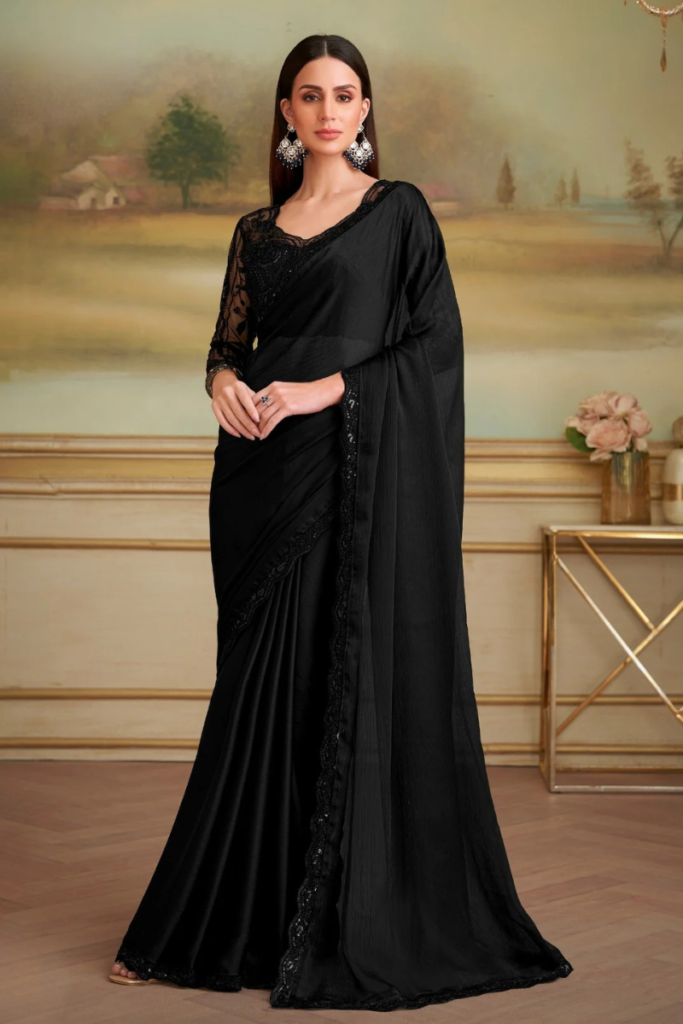
How to style ethnic look? Styling an ethnic look is all about combining traditional elegance with modern fashion. Choose outfits such as kurtis, sarees, lehengas, anarkalis, or ethnic sets based on the occasion. Complete your look with statement jewellery, stylish footwear, a matching handbag, and a well-chosen hairstyle. For a balanced appearance, coordinate your colours and accessories without overdoing them. Whether you are dressing for a festival, wedding, office event, or casual gathering, the right combination of ethnic wear and accessories can create a graceful and fashionable look. Whether you are dressing for a wedding, festival, family celebration, office event, or casual gathering, this complete guide will help you create a polished ethnic look with confidence. What Is an Ethnic Look? An ethnic look combines traditional clothing, cultural elements, accessories, and styling ethnic look techniques to create an outfit inspired by a particular heritage or community. In Indian fashion, ethnic wear can include sarees, salwar kameez, Anarkali suits, kurtas, shararas, ghararas, lehengas, dhotis, and Indo-western ensembles. The beauty of ethnic fashion is its versatility. how to style ethnic look ? You can embrace a completely traditional appearance or combine ethnic pieces with contemporary styling for a more modern aesthetic. 1. Choose the Right Ethnic Outfit The first step toward creating the perfect ethnic look is selecting an outfit that suits the occasion, your personal style, and the season. how to style ethnic look For weddings and festive celebrations, richly embellished lehengas, silk sarees, embroidered Anarkalis, and statement suits can create a sophisticated appearance. For smaller gatherings, lightweight sarees, cotton suits, printed kurtas, or elegant co-ord sets can provide comfort without compromising style. When selecting an outfit, consider: 2. Get the Color Combination Right Color coordination can transform an ordinary ethnic outfit into a memorable one. Traditional Indian fashion is known for vibrant combinations, including red and gold, pink and green, blue and silver, orange and pink, and ivory with gold. If your outfit is heavily embroidered or printed, consider keeping your accessories relatively simple. Conversely, a plain or monochromatic outfit provides the perfect canvas for colorful jewelry or a statement dupatta. For an elegant contemporary look, neutral shades such as ivory, beige, champagne, black, and pastel pink can be paired with metallic accents. 3. Style Your Dupatta or Saree Draping The way you drape your outfit can significantly influence the overall appearance. how to style ethnic look for a saree can be styled in a traditional drape for a timeless look or experimented with using contemporary draping techniques. Similarly, a dupatta can be worn over one shoulder, across both shoulders, or in a more structured style depending on the outfit. For formal events, neatly pleated drapes can create a polished appearance. For a relaxed celebration, a softer and more natural drape can look effortlessly stylish. The key is to ensure that the drape complements your outfit rather than overwhelming it. 4. Choose Jewelry That Complements Your Outfit Jewelry is one of the most important elements of ethnic styling. Gold jewelry, jhumkas, chandbalis, kundan, polki, pearls, meenakari, and oxidized silver can all create different moods. A useful styling rule is to balance your statement pieces. If you are wearing a large necklace, you may want to choose smaller earrings. If dramatic earrings are the focal point, a delicate necklace or no necklace can create a cleaner appearance. how to style ethnic look for a traditional wedding look, layered necklaces and statement earrings can work beautifully. For office or daytime ethnic wear, small jhumkas, studs, bangles, or a delicate chain may be more appropriate. 5. Pick the Right Footwear Footwear completes an ethnic outfit and should combine style with comfort. Juttis, mojaris, embellished sandals, kolhapuris, block heels, and traditional flats are popular choices. Heels can add height and elegance to sarees and lehengas, while flats are practical for long events. Try to coordinate footwear with the colors or metallic details in your outfit. Gold or silver footwear is particularly versatile and can complement a wide range of ethnic ensembles. 6. Complete the Look With Hair and Makeup Your hairstyle and makeup should enhance the outfit without competing with it. For traditional occasions, consider a sleek bun decorated with fresh flowers, a braided hairstyle, or soft curls. A low bun can look especially elegant with sarees and statement earrings. For makeup, focus on creating balance. A natural base, defined eyes, subtle blush, and a complementary lip color can work well for daytime events. For evening celebrations, you can add a bolder lip, shimmery eyeshadow, or highlighter. Remember that ethnic beauty does not require heavy makeup. A well-groomed, confident appearance is often more effective than excessive styling. 7. Add Traditional Accessories Small accessories can make your ethnic outfit feel more complete. Depending on the occasion, you can incorporate bangles, rings, anklets, bindis, potli bags, hair accessories, or traditional waist belts. A bindi, for example, can add a subtle traditional touch to a saree or suit. A statement potli can introduce color and texture while remaining practical enough to carry essentials. The goal is to create harmony. Avoid adding every accessory at once; select pieces that support the overall aesthetic. 8. Mix Traditional and Contemporary Fashion Modern ethnic styling is all about experimentation. You can pair a traditional embroidered kurta with straight-fit trousers, style a saree with a contemporary blouse, or wear a traditional jacket over a simple outfit. Indo-western fashion works particularly well for people who want cultural elements without creating an overly traditional appearance. The most important principle is balance. Combine one or two contemporary elements with traditional pieces so that the outfit feels intentional rather than mismatched. 9. Dress According to the Occasion The perfect ethnic look depends heavily on where you are going. For a wedding, choose elegant fabrics, embroidery, jewelry, and sophisticated footwear. For a festival, vibrant colors and traditional accessories can create a celebratory mood. For the office, opt for clean silhouettes, subtle prints, and minimal accessories. For a casual family gathering, lightweight fabrics and comfortable ethnic separates

Types of kurtis for women including Anarkali, A-line and straight-cut styles
Blog

Types of Kurtis: 12 Popular Styles for Every Occasion

The different types of kurtis offer a wide range of styles for everyday wear, office outfits, festive occasions, weddings, and modern Indo-Western looks. Popular types of kurtis — sometimes searched simply as kurti types or kurti styles — include Anarkali, A-line, straight-cut, Angrakha, flared, asymmetrical, high-low, shirt-style, kaftan, peplum, long, and short kurtis. Each style has its own silhouette, fit, and design details, making it easier to find a kurti for almost any occasion. Quick Answer: What Are the Different Types of Kurtis? The main kurti types, by name, include: Type of Kurti Key Feature Best Suited For Anarkali Kurti Flared silhouette from the waist or bodice Festive and wedding wear A-Line Kurti Fitted at the top and gradually widens Everyday and office wear Straight-Cut Kurti Straight silhouette with minimal flare Formal and daily wear Angrakha Kurti Overlapping, wrap-style front Festive and traditional looks Flared Kurti Wide, flowing lower portion Casual and festive occasions Asymmetrical Kurti Uneven or angled hemline Contemporary outfits High-Low Kurti Shorter in front and longer at the back Indo-Western styling Shirt-Style Kurti Inspired by a button-down shirt Office and casual wear Kaftan Kurti Loose, flowing silhouette Casual and resort wear Peplum Kurti Fitted upper section with flared waist Modern and party wear Long Kurti Extended length, often below the knee Formal, festive, and modest looks Short Kurti Shorter hemline, often paired with bottoms Casual and Indo-Western outfits Types of Kurtis Based on Silhouette The types of kurtis based on silhouette differ mainly in their shape, flare, and overall fit. Understanding these differences can help you choose a kurti design that matches your preferred look. Anarkali Kurti An Anarkali kurti combines a fitted upper section with a flowing lower portion. Depending on the design, its flare can range from subtle to dramatic. For festive occasions, weddings, and traditional celebrations, this silhouette remains a popular choice. Pairing it with churidar pants, leggings, palazzos, or a matching dupatta can enhance its traditional appeal. A-Line Kurti An A-line kurti gradually widens from the upper body toward the hem. Its balanced silhouette makes it suitable for many different occasions. For example, cotton A-line kurtis work well for everyday outfits, while embroidered versions can suit festive events. Printed designs, meanwhile, offer an easy option for college and casual wear. Straight-Cut Kurti A straight-cut kurti maintains a relatively consistent width from the upper body to the hem. Unlike an Anarkali, it has little or no flare. Because of its clean appearance, this style works particularly well for office outfits and everyday wear. Straight-cut kurtis also pair easily with cigarette pants, trousers, leggings, palazzos, and jeans. Angrakha Kurti An Angrakha kurti draws inspiration from traditional wrap-style garments. Its overlapping front creates a distinctive diagonal or cross-over effect. Many designs also include tie-ups, tassels, embroidery, or traditional prints. Consequently, this kurti style can add a distinctly ethnic touch to festive and celebration outfits. Flared Kurti A flared kurti adds volume toward the lower part of the garment. Depending on the cut, the flare can start around the waist, hips, or lower section. This flowing shape creates movement and gives the outfit a softer appearance. Therefore, flared kurtis work well for festivals, parties, celebrations, and casual outings. Asymmetrical Kurti An asymmetrical kurti uses an uneven hemline to create a contemporary appearance. The front and back may have different lengths, or one side may sit lower than the other. For a modern ethnic outfit, this style pairs well with slim pants, leggings, trousers, or jeans. Furthermore, asymmetrical kurtis can transition easily between casual and semi-formal occasions. High-Low Kurti A high-low kurti features a shorter front section and a longer back section. This difference creates a distinctive silhouette without moving completely away from the traditional kurti design. As a result, high-low kurtis are particularly popular for Indo-Western outfits. They can also work well for casual gatherings and parties. Modern Types of Kurtis Modern types of kurtis combine traditional Indian elements with contemporary cuts and styling details. Shirt-Style Kurti A shirt-style kurti combines the traditional shape of a kurti with details commonly found on shirts. These may include collars, button plackets, cuffs, or a structured fit. For office and college outfits, this contemporary design offers a polished alternative to conventional ethnic wear. Meanwhile, printed or lightweight versions work well for casual dressing. Kaftan Kurti A kaftan kurti features a loose, flowing silhouette designed with comfort in mind. Its relaxed construction allows plenty of movement and makes it particularly suitable for warm weather. Lightweight fabrics can make the style even more comfortable during summer. Additionally, prints, embroidery, tassels, and decorative borders can give a kaftan kurti a distinctive appearance. Peplum Kurti A peplum kurti typically has a fitted upper section followed by a flare around the waist or hips. This construction gives the traditional garment a modern shape. For parties and casual celebrations, a peplum kurti can create a stylish Indo-Western appearance. Pairing it with trousers, palazzos, or slim-fit bottoms can further emphasize its contemporary silhouette. Types of Kurtis by Length Another way to understand the types of kurtis is by their length. Short and long kurtis can create very different looks even when they use the same fabric or print. Long Kurti A long kurti extends below the hip and may reach the knee, calf, or ankle. Designers can combine this length with straight, A-line, flared, or asymmetrical silhouettes. Consequently, long kurtis offer considerable styling flexibility. They can suit everyday outfits as well as office, festive, and modest-fashion looks. Short Kurti A short kurti has a shorter hemline and generally works well with jeans, trousers, leggings, palazzos, or skirts. For example, pairing a printed short kurti with jeans creates a casual Indo-Western outfit. Alternatively, traditional accessories can give the same kurti a more ethnic appearance. How Do You Choose Between Different Types of Kurtis? Choosing between different types of kurtis depends on the occasion, fabric, fit, length, comfort, and personal style. For everyday use, cotton A-line and straight-cut kurtis offer a practical combination of comfort and versatility. On

indo western fashion
Blog

What Is Indo-Western Fashion? The 2026 Guide to Modern Indian Fusion Style

Indo-Western fashion brings together the heritage of Indian clothing with contemporary Western silhouettes, tailoring and styling. Instead of following a completely traditional or Western aesthetic, this fashion category combines elements such as Indian textiles, embroidery, draping and craftsmanship with trousers, blazers, dresses, co-ords, capes and modern cuts. In 2026, the style is becoming more versatile and wearable. Traditional fabrics such as Banarasi, Chanderi and Ikat are increasingly being interpreted through contemporary shapes, while saree gowns, cape sets, jacket lehengas, dhoti pants and coordinated separates continue to offer modern alternatives to conventional occasion wear. The result is a style that retains an Indian identity while fitting naturally into contemporary wardrobes. What Is Indo-Western Fashion? Indo-Western fashion is a form of Indian-Western fusion clothing that combines Indian design elements with modern silhouettes and construction. The Indian influence can come from: The contemporary influence can include: The defining characteristic is integration rather than simple combination. A contemporary outfit can use an Indian textile, an Indian silhouette or traditional craftsmanship while being constructed for a modern wardrobe. Indian Fashion Meets Western Silhouettes The growth of fusion dressing has changed how traditional Indian clothing is designed and styled. A saree no longer has to appear only as a conventional drape. It can become a pre-draped garment or gown. A lehenga can be paired with a tailored jacket. A traditional textile can become a blazer, shirt or coordinated trouser set. This approach makes heritage clothing more adaptable to different lifestyles and occasions. For example: Indian influence Contemporary interpretation Banarasi silk Tailored blazer or co-ord Chanderi Contemporary dress or lightweight jacket Ikat Shirt, trousers or modern co-ord Saree drape Pre-draped gown Lehenga Jacket or cape ensemble Dhoti Contemporary trouser silhouette Kurta Shirt, tunic or dress This blending of heritage and contemporary construction is one of the defining characteristics of modern Indian fashion. Indo-Western Fashion Trends for 2026 The 2026 direction is moving beyond the traditional kurti-and-jeans combination. Designers and brands are increasingly experimenting with modern construction, practical silhouettes and heritage textiles. Saree Gowns The saree gown combines the visual character of a saree with the construction of a contemporary gown. It offers the appearance of a draped garment while providing the structure and convenience of a single-piece outfit. Saree gowns are particularly suited to: Cape Sets Capes add movement and layering to fusion dressing without making an outfit excessively traditional. They can be worn with: An embroidered cape over a contemporary bottom is a simple way to combine Indian craftsmanship with modern proportions. Jacket Lehengas The jacket lehenga replaces or complements the conventional blouse and dupatta with a structured outer layer. This creates a more tailored appearance while retaining the familiar lehenga silhouette. It works particularly well for: Dhoti-Pant Sets The dhoti silhouette brings a distinctly Indian design element into contemporary dressing. Modern versions can be paired with: The combination creates a relaxed yet sophisticated alternative to conventional ethnic sets. Indian-Textile Co-Ords Co-ordinated sets have become an effective way to bring traditional textiles into everyday wardrobes. A printed or woven Indian textile can be used for a contemporary shirt-and-trouser set, jacket-and-pant combination or skirt co-ord. This approach also makes heritage fabrics easier to style separately, increasing their versatility. Fabrics That Define Modern Fusion Style Fabric plays an important role because it can immediately establish an Indian identity even when the silhouette is contemporary. Banarasi Silk Known for its rich weaving and metallic motifs, Banarasi works particularly well for: Using the textile in an unexpected silhouette can make a traditional material feel contemporary. Chanderi Chanderi is lightweight and known for its subtle texture and sheen. It works well for: Ikat Ikat’s distinctive geometric patterns make it naturally suited to modern silhouettes. It can be used for: Linen Linen offers a minimalist approach to fusion dressing. It works particularly well for: Organza Organza adds volume and transparency without making a silhouette feel heavy. It is especially effective for: The continued interest in Indian handloom and heritage textiles is an important part of the 2026 fashion landscape, with fabrics such as Chanderi, Ikat, linen and Banarasi being adapted for contemporary clothing. How to Style Indo-Western Outfits Successful fusion styling usually depends on balance. If the garment contains heavy embroidery or a highly decorative textile, a cleaner silhouette and minimal accessories can keep the look contemporary. If the clothing is relatively simple, Indian jewellery, embroidery or handcrafted accessories can provide the cultural detail. Some easy combinations include: The goal is not to make every part of an outfit equally traditional. A stronger look often comes from allowing one element to dominate while the remaining pieces provide contrast. Indo-Western Fashion for Different Occasions One reason fusion clothing remains relevant is its flexibility. Office Wear For professional environments, choose restrained colours, clean tailoring and lightweight Indian textiles. Good combinations include: Casual Wear For everyday dressing, simpler combinations work best. Try: Festive Wear Festive dressing allows more colour, texture and embellishment. Suitable options include: Wedding Wear For weddings, more elaborate silhouettes and fabrics can be introduced. Popular choices include: Indo-Western Fashion for Men Fusion dressing is not limited to women’s clothing. Men’s fashion increasingly combines traditional Indian garments with contemporary tailoring. Popular combinations include: The Nehru jacket and bandhgala are particularly useful because their structured construction naturally bridges Indian formalwear and modern tailoring. Jewellery and Accessories Accessories can determine whether an outfit feels more traditional or contemporary. For a subtle fusion look, consider: The simplest approach is to contrast elaborate clothing with restrained accessories, or understated clothing with one strong traditional accessory. Why Is Indo-Western Fashion Becoming More Popular? Several factors are contributing to the popularity of Indian-Western fusion. Versatility One garment can often be styled for multiple occasions. A contemporary embroidered jacket, for example, can be worn with a lehenga for a wedding and with trousers for another event. Comfort Modern cuts can make traditional clothing easier to move in and easier to wear for extended periods. Cultural identity Indian textiles, embroidery and craftsmanship allow wearers to retain a visible connection to

indo western fashion
Blog

The Ultimate Fashion Guide: Outfit Ideas, Styling Tips & Wardrobe Essentials for Every Occasion

Fashion is more than following trends—it’s about expressing your personality with confidence. Whether you’re building your first capsule wardrobe, searching for the perfect wedding guest outfit, or simply wondering what to wear today, this ultimate fashion guide has you covered. From everyday basics to seasonal trends and styling hacks, here’s everything you need to create a wardrobe that works for your lifestyle. How to Find Your Personal Style One of the biggest fashion challenges is figuring out what truly suits you. Instead of buying every trend you see online, start by understanding your lifestyle, body type, and personal preferences. This ultimate fashion guide with help you with this. Ask yourself: Your wardrobe should reflect your personality, not just what’s trending. Wardrobe Essentials Every Woman Should Own A functional wardrobe begins with timeless staples that can be mixed and matched effortlessly. Follow this ultimate fashion guide till the end. Essential pieces include: These classics create countless outfit combinations without requiring an overflowing closet. What Should You Wear? Outfit Ideas for Every Occasion Office Wear Choose tailored trousers, blazers, shirts, midi dresses, loafers, and minimal accessories for a polished, professional look. College Outfits Keep it comfortable with oversized shirts, denim, sneakers, graphic tees, and lightweight jackets. Date Night Slip dresses, satin skirts, fitted tops, heels, and elegant jewelry create a sophisticated yet effortless look. Wedding Guest Looks Opt for elegant sarees, lehengas, gowns, or Indo-Western ensembles in festive colors with statement accessories. Airport Style Comfort comes first. Pair joggers or wide-leg trousers with a basic tee, oversized jacket, sneakers, and a roomy tote bag. Vacation Fashion Pack breathable fabrics, co-ord sets, maxi dresses, linen shirts, shorts, sandals, and versatile accessories. How to Style Your Everyday Basics White Shirt Wear it with jeans for a casual look, tailored trousers for work, or layer it over a dress for a chic outfit. Oversized Shirt Style it with cycling shorts, wide-leg jeans, leggings, or wear it as a beach cover-up. Wide-Leg Jeans Balance proportions with fitted tops, cropped jackets, or tucked-in shirts. Black Dress Dress it up with heels and statement jewelry or down with sneakers and a denim jacket. Blazer Layer over dresses, jeans, skirts, or trousers for an instantly elevated outfit. Seasonal Fashion Guide Summer Choose breathable fabrics like cotton and linen. Wear lighter colors, flowy silhouettes, and comfortable sandals. Monsoon Quick-drying fabrics, waterproof footwear, cropped pants, and lightweight layers work best. Winter Layer with coats, knitwear, scarves, boots, and textured fabrics to stay warm while looking stylish. How to Dress for Your Body Shape Fashion isn’t about changing your body—it’s about choosing silhouettes that make you feel comfortable and confident. Petite Pear Shape Apple Shape Hourglass Remember: these are styling suggestions, not rules. Wear what makes you feel your best. Color Combinations That Always Work Some combinations never go out of style: Experiment with accessories to add personality to neutral outfits. Fashion Trends Worth Trying Fashion evolves every season, but some trends remain versatile enough to incorporate into your wardrobe. Popular aesthetics include: Choose trends that complement your personal style rather than replacing it. How to Look Stylish on a Budget Looking fashionable doesn’t require expensive brands. Try these tips: A well-curated wardrobe often looks more polished than one filled with impulse purchases. Caring for Your Clothes Good clothing care helps your wardrobe last longer. Small habits make a significant difference over time. Frequently Asked Questions How do I build a capsule wardrobe? Start with neutral basics, quality outerwear, versatile footwear, and accessories that work together across multiple outfits. What are the biggest wardrobe essentials? A white shirt, jeans, blazer, black dress, sneakers, neutral trousers, and a structured handbag are great starting points. How can I find my personal style? Pay attention to what you enjoy wearing, save outfit inspiration, and build around pieces that reflect your personality and lifestyle. How do I look expensive without spending a lot? Choose well-fitted clothing, stick to timeless silhouettes, maintain your garments, and keep accessories simple and refined. Which colors go with everything? Black, white, beige, navy, grey, olive, and denim are among the easiest colors to mix and match. Final Thoughts Fashion isn’t about owning more clothes—it’s about making the most of what you have. By understanding your personal style, investing in versatile wardrobe essentials, and dressing for different occasions with confidence, you can create outfits that feel authentic and effortless. Whether you’re refreshing your wardrobe, exploring new trends, or simply searching for outfit inspiration, remember that the best style is one that makes you feel comfortable, confident, and unmistakably yourself.

how to style traditional outfits
Blog

How to Style Traditional Outfits in a Modern Way: 2026 Guide

How to Style Traditional Outfits in a Modern Way: 2026 Guide   Knowing how to style traditional outfits can help you create an elegant and comfortable look for weddings, festivals, cultural events, religious ceremonies, work, and everyday occasions. These traditional dress wearing tips depend on the occasion, fabric, color, fit, accessories, footwear, and personal style. From a saree or lehenga to a salwar suit, Anarkali, sherwani, dhoti, or regional Indian attire, thoughtful styling can make traditional wear look polished while preserving its cultural character — and once you understand a few core principles, styling traditional outfits becomes second nature. Traditional Dress Wearing Tips at a Glance Occasion Traditional Wear Suitable Fabrics Styling Approach Wedding Saree, lehenga, Anarkali, sherwani, achkan Silk, Banarasi silk, brocade, velvet Elegant, festive, embellished Festival Saree, salwar suit, lehenga, regional wear Cotton, silk, Chanderi, handloom Colorful and comfortable Religious ceremony Saree, salwar suit, dhoti, veshti Cotton, lightweight silk Modest and breathable Work Handloom saree, simple ethnic outfits Cotton, linen, handloom Minimal and polished Casual gathering Saree, salwar suit, regional wear Cotton, linen, Chanderi Relaxed and versatile Cultural event Regional traditional clothing Handloom, silk, traditional textiles Heritage-focused What Are the Best Traditional Dress Wearing Tips? If you’re wondering how to style traditional outfits well, the most useful traditional dress wearing tips are to choose the outfit according to the occasion, select a suitable fabric, coordinate colors, focus on fit, balance accessories, and prioritize comfort. A simple styling formula is: Right garment + suitable fabric + coordinated colors + balanced accessories + comfortable footwear = polished traditional wear 1. How to Style Traditional Outfits According to the Occasion The occasion determines how formal, detailed, or understated your traditional clothing should be. Traditional Wear for Weddings Weddings are ideal for rich fabrics, detailed craftsmanship, and festive styling. Popular choices include: Sarees Lehenga cholis Anarkalis Embroidered salwar suits Sherwanis Achkans Bandhgalas Banarasi silk, brocade, silk, velvet, zari, and detailed embroidery can create a luxurious wedding look. For a heavily embellished outfit, keep the jewelry and accessories balanced rather than adding multiple statement pieces. Traditional Wear for Festivals Festivals are a good opportunity to combine color, cultural identity, and comfort. Sarees, lehengas, salwar suits, Anarkalis, kurta-pajama, and regional traditional garments can all work well. Bright shades such as red, yellow, orange, pink, green, and royal blue can create a festive appearance. Traditional Wear for Religious and Cultural Events Religious ceremonies call for clothing that is comfortable, respectful, and appropriate to the cultural setting. Depending on the region and tradition, suitable choices may include: Cotton sarees Lightweight silk sarees Salwar suits Dhotis Veshtis Regional traditional clothing Breathable fabrics are especially useful for long ceremonies and warm environments. Traditional Wear for Work and Formal Events Traditional clothing can also work in professional settings. Choose: Handloom sarees Cotton sarees Simple ethnic ensembles Minimal embroidered clothing Tailored traditional jackets Subtle prints, neutral colors, clean silhouettes, and minimal accessories generally create a more professional appearance. 2. Select the Right Fabric for Traditional Clothing Fabric affects the comfort, drape, texture, appearance, and formality of an outfit — and it’s one of the first decisions in how to style traditional outfits for any occasion. Fabric Key Characteristic Best For Cotton Breathable and lightweight Everyday wear, summer, casual events Linen Light and airy Warm weather, contemporary ethnic styling Silk Rich and elegant Weddings, festivals, formal occasions Banarasi silk Decorative woven texture Weddings and festive wear Kanjeevaram silk Rich traditional weave Ceremonial and wedding wear Chanderi Lightweight and graceful Daytime and semi-formal events Tussar silk Textured and natural appearance Festive and elegant occasions Khadi Handwoven and breathable Casual and contemporary traditional wear Brocade Rich and ornate Formal celebrations and weddings The right fabric should suit both the occasion and the season. 3. Choose Traditional Outfit Colors Carefully Color can change the entire appearance of traditional wear. Festive Color Combinations Red and gold Green and gold Pink and red Royal blue and gold Maroon and beige Orange and pink Contemporary Color Combinations For a modern ethnic look, consider: Ivory and gold Black and cream Navy and silver Beige and maroon Pastel pink and ivory Olive and beige Color choice can also depend on regional traditions, cultural significance, time of day, season, and personal preference. 4. Focus on Fit and Silhouette One of the most important traditional dress wearing tips is to get the fit right. A well-fitted garment should allow comfortable movement while creating a balanced silhouette. Pay attention to: Shoulder fit Sleeve length Garment length Waist placement Trouser fit Jacket structure Saree blouse fit Overall proportions Even a simple handloom outfit can look sophisticated when it is properly tailored. 5. Style the Draping and Layering Draping is an important part of traditional fashion. A saree, dupatta, stole, or turban can change the overall silhouette depending on how it is worn. Saree Styling Keep pleats neat and secure, and choose a drape that works with the fabric and occasion. Dupatta Styling A dupatta can be: Draped over one shoulder Styled across the front Pleated neatly Draped over both shoulders For heavily embellished clothing, a simple drape helps maintain balance. Layering Traditional Wear Jackets, stoles, shawls, and structured layers can add depth to an ethnic outfit. A Nehru jacket, embroidered jacket, or traditional stole can also introduce a contemporary element without removing the cultural character of the outfit. 6. Choose the Right Traditional Accessories Accessories should complement the garment rather than compete with it. Traditional Jewelry Common options include: Jhumkas Kundan jewelry Polki jewelry Bangles Necklaces Maang tikka Nath Anklets A useful styling rule is: heavy outfit → simple accessories, simple outfit → statement accessories. Traditional Footwear Popular choices include: Juttis Mojaris Kolhapuri sandals Traditional sandals Modern heels, loafers, or minimalist footwear can also be used for contemporary ethnic styling where appropriate. 7. Use Traditional Textiles and Craftsmanship as a Focal Point Traditional wear is closely connected to textiles, weaving, embroidery, prints, and regional craftsmanship. Some well-known examples include: Banarasi Kanjeevaram Chanderi Ikat Kalamkari Ajrakh Bandhani Phulkari Sambalpuri textiles Tussar silk Khadi

Scroll to Top